Design in 2026: The Return of Taste and Intent
AI
Branding
Design

The Start
Creative Director at The Start
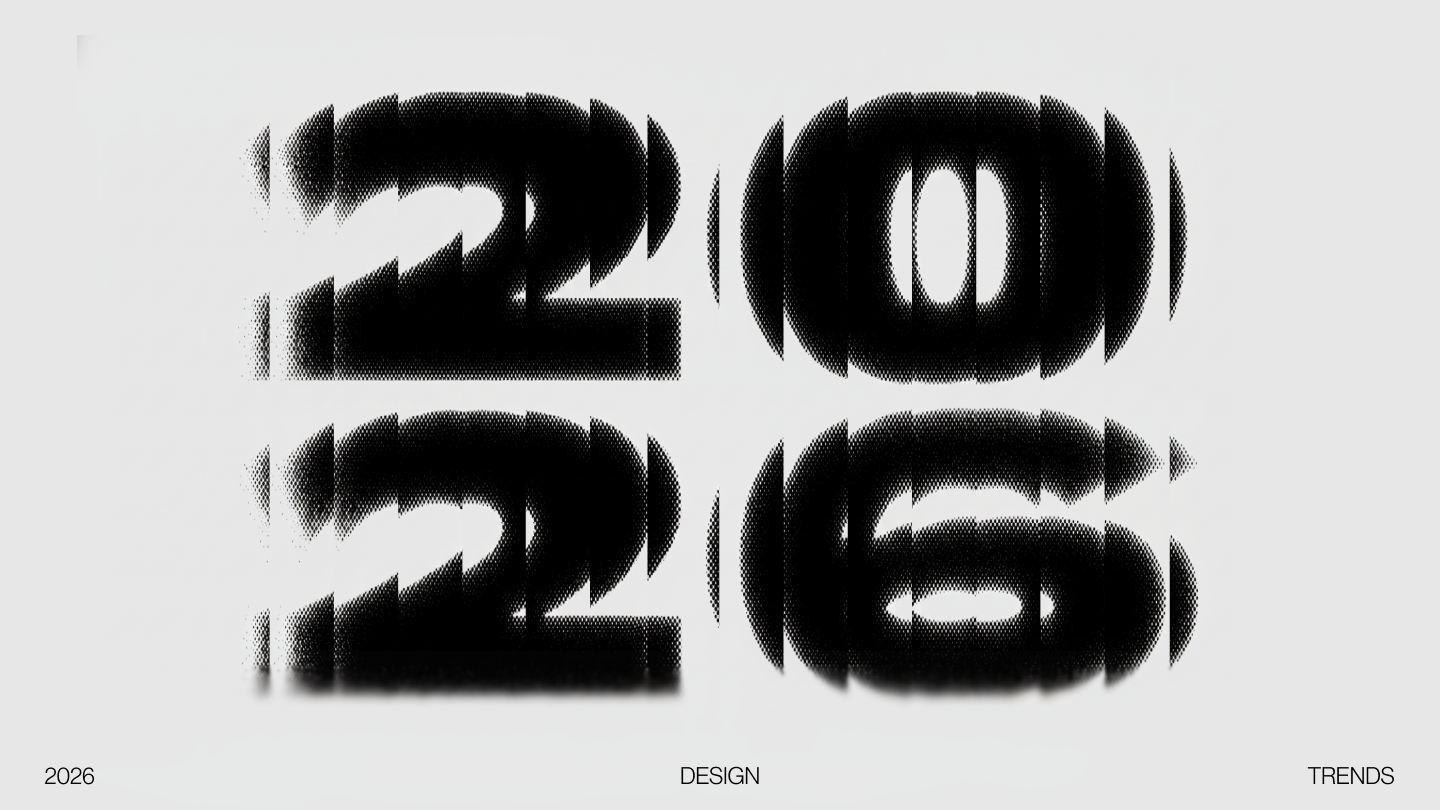
The new year is here, bringing with it a flood of predictions about how it might look and feel. While most of the world is focused on accelerating political cycles, AI hype, and climate anxiety, we’re also wondering if the steady drip of near-apocolyptic headlines might bring about a return of the corporate memphis art style.
Thankfully, we don’t think things have gotten that bad yet. But we did ask our designers what they think will be in fashion this year, and the answers came back as a bit of a party bag.
Here’s what we’re seeing for 2026.
Jordan
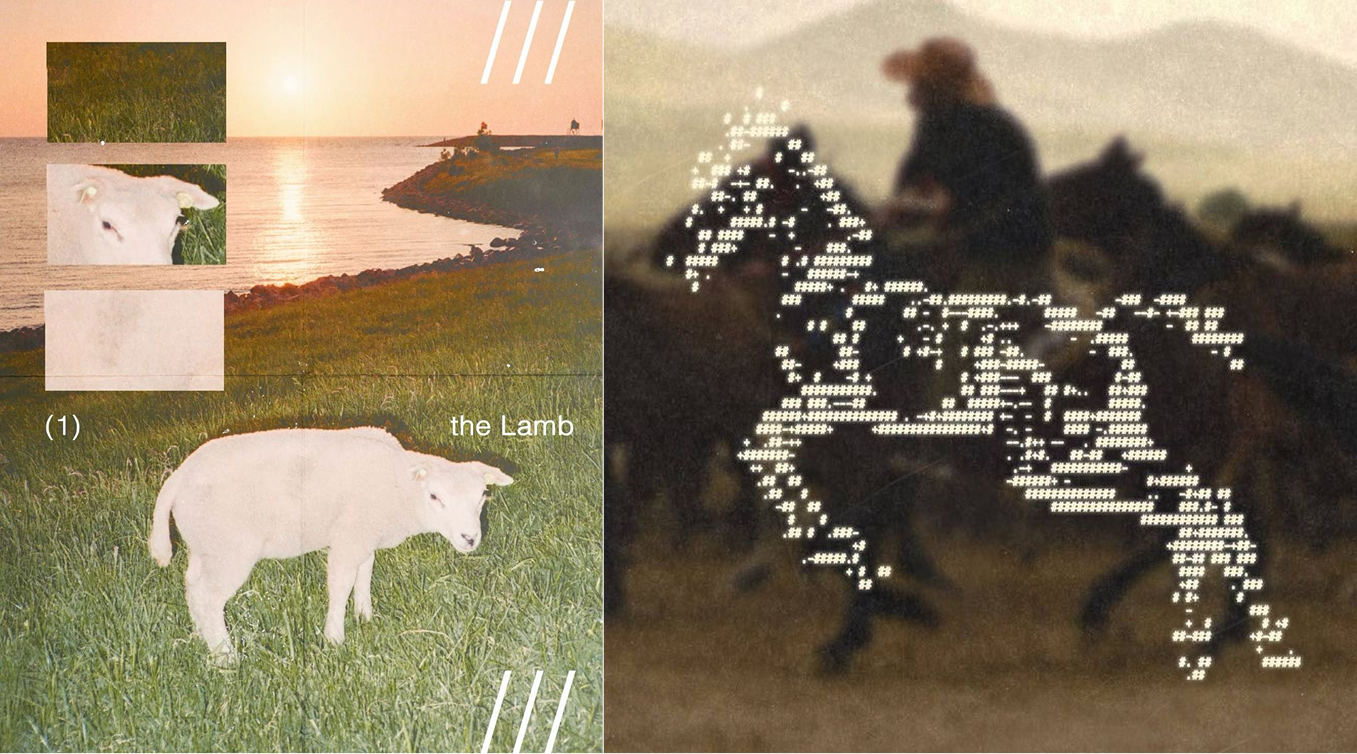
The return of bitmap
AI has made everything “too good”. Pre-polished, hyper-realistic, and in most use cases, utterly soulless. Feed any AI image generator a prompt and you’ll get something that looks like it was ripped straight from a Marvel movie. To be fair, that might actually be a little harsh on AI outputs. We’ve amassed the tools for near-perfect execution every time, but somewhere in that sea of output, we’ve lost much of the soul that once propped up our earliest design inspirations.
Enter bitmap. A visual language that strips things back to their most basic form, embracing visible pixels, hard edges and deliberate constraint.
Bitmap flies a flag of gritty resistance against shiny, overproduced niceness, stripping work back to its most basic shapes while making content instantly recognisable.
Right now, bitmap is everywhere if you look for it. Nothing’s brutalist phone design. Koto’s hand-stitched approach to digital branding. Base blockchain wrapping cutting-edge technology in Karel Martens-inspired texture.
Bitmap forces intentional limitation. Every pixel is placed with purpose because you can’t afford to waste one. It’s the opposite of AI’s “throw everything at the wall” approach. Instead, it asks a harder question – what can we remove while keeping the essence at the core?
Take Nothing’s approach to product design. While most tech brands sit quietly waiting for Apple to show them the next reduction of clean minimalism to adopt, Nothing chose harsh edges, transparent plastics and interfaces that feel more in the realm of early Nokia. It shouldn’t work, but it does, because it dares to stand apart and resist the expected.
Like many creative spaces now overrun with AI, it felt inevitable that brands would start leaning into the basics again in 2026, following its most adoptive year yet. We believe the bitmap resurgence may be the poster face of this movement this year. Part of a broader effort to reclaim something lost in the rush toward infinite resolution.
Indi
Mixed media and the return of hands-on design
In a similar vein to bitmap, designers are stepping away from their screens to photograph, print, cut and glue their work again. Rather than relying on texture overlays or overly tidy mockups, real materials and imperfect outcomes are being brought back into the mix.
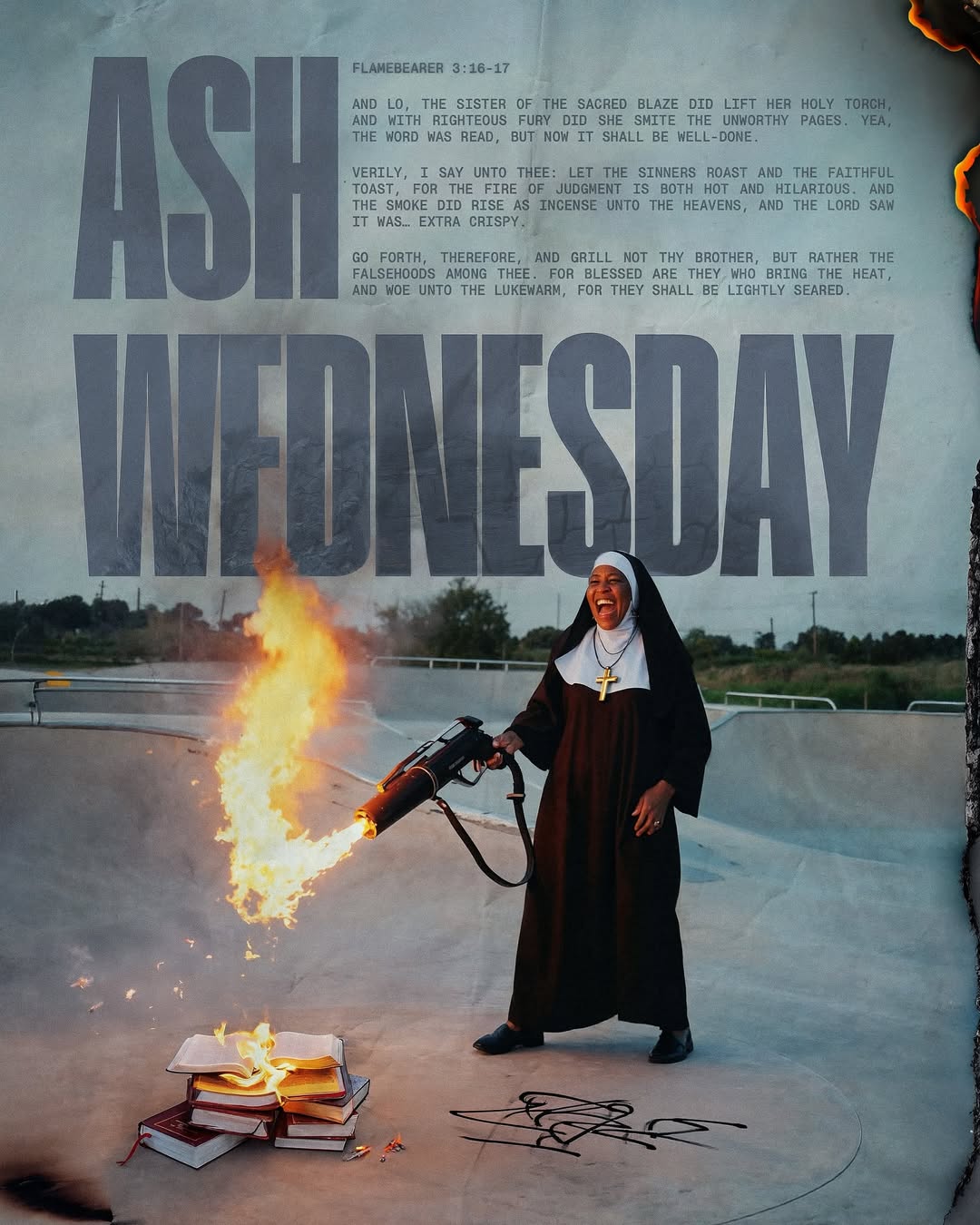
After years of smooth, overproduced visuals, there’s a clear appetite for texture and signs of the hand. Print-first thinking. Hand-drawn elements. Risograph layers, photocopier grit and collage-style compositions, reworked for contemporary contexts.
What’s most interesting is how confidently these analogue-led ideas are being carried into digital spaces, rather than kept as a separate aesthetic exercise. Creators like @fries_vansevenant, @troybrowne, @mariko_koda and @alanberryrhys are already showing how effective this approach can be.
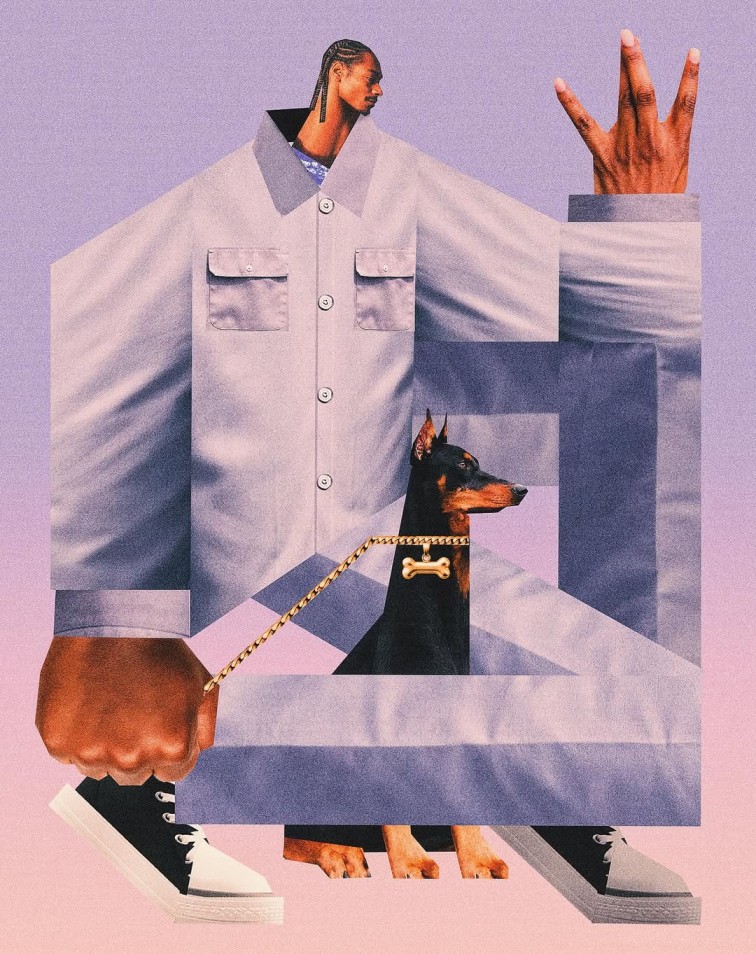
Here are a few designers in this space whose work is setting the tone:
- Jasmine Dowling (work attached)
- Synonime Studio
- RAWART
An appreciation for process feels back in fashion, and we’re tipping physical applications to blossom again in 2026. Might be time to dust off the glue sticks and box cutters.
Indi
3D OOH billboards and breaking the frame
Somewhere along the line, advertisers realised they didn’t actually have to stay inside the frame. Either brands got braver, or media owners found a way to charge more when things hang off the edge of a billboard. Likely both.
Either way, 3D and hyper-real OOH has put a kick back into walking around your city, showing just how powerful design can be when it breaks the frame, both literally and figuratively. Campaigns like Canva’s immersive billboards pushed this further in 2025, blending digital craft with real-world context.
Our personal favourite was the promo for Percy Jackson and the Lightning Thief. Arguably a slightly invasive impression if you get doused with water on your way to work, but it’s hard to deny the impact of a giant, swooshing body of water spilling out of a billboard. As tech continues to snowball and the baseline for what advertising can be keeps rising, we’re tipping a few more billboards will start jumping out at us in 2026. Pun intended.
Clint
The duality of design trends
Hands-on design came up across the team, but Clint sees 2026 less as a single direction and more as a clear split. On one side, the calm, tactile pull of analogue design. On the other, the explosive immersiveness of 3D and spatial digital work.
The progression of WebGL and Three.js has made immersive experiences far more accessible. What once lived in game engines and experimental studios is now part of mainstream web design, and when used intentionally, it can fundamentally change how people understand a product or idea. Sites like Rivian and Hyperframe show how spatial design can turn complex concepts into something intuitive and tangible.
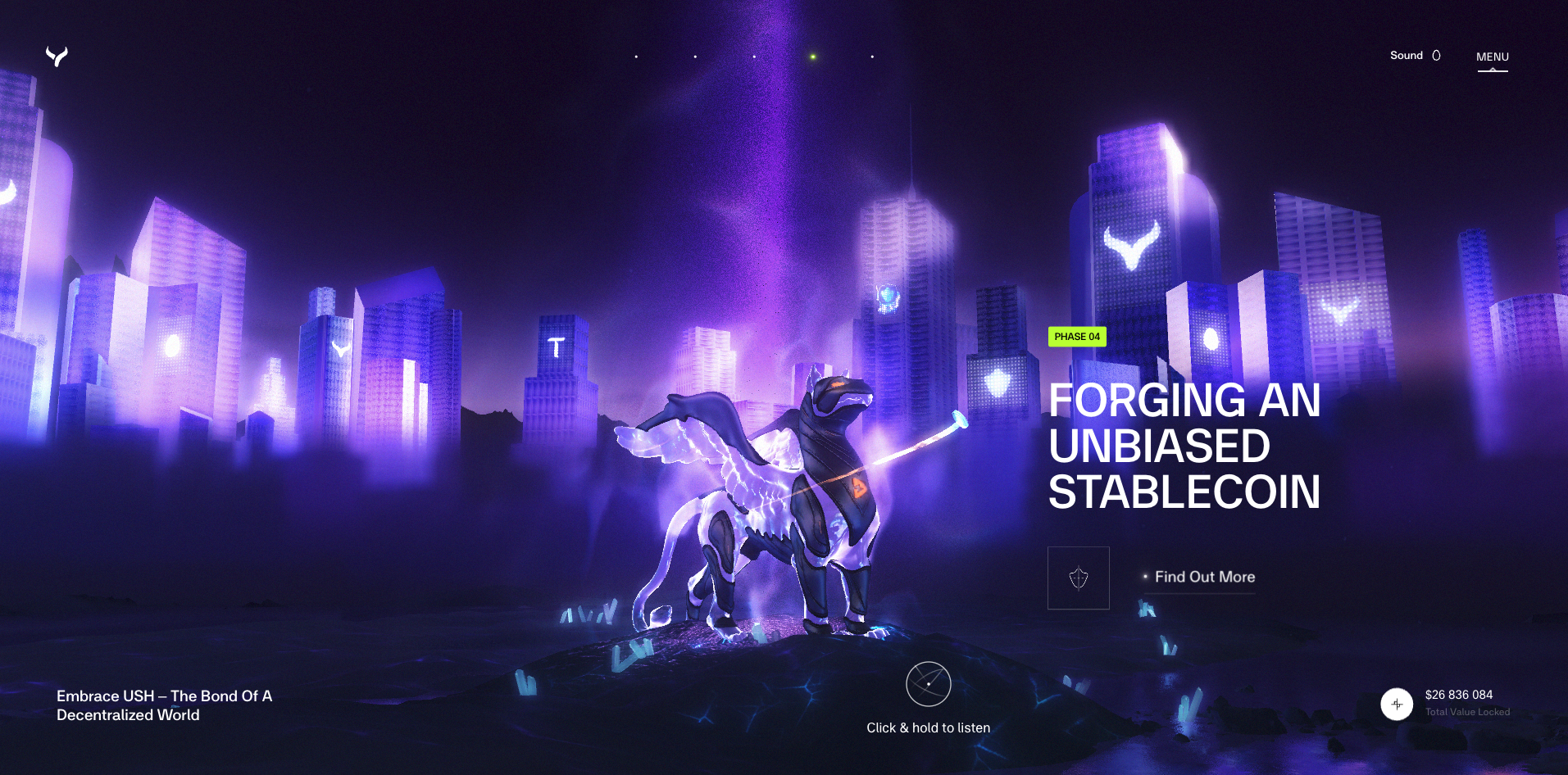
But good things come in small packages, and when technology isn’t serving a clear purpose, it can quickly become noise. The best work isn’t complex because a studio COULD build it, but because it’s the best way to tell that story, explain that concept or express a brand’s ethos.
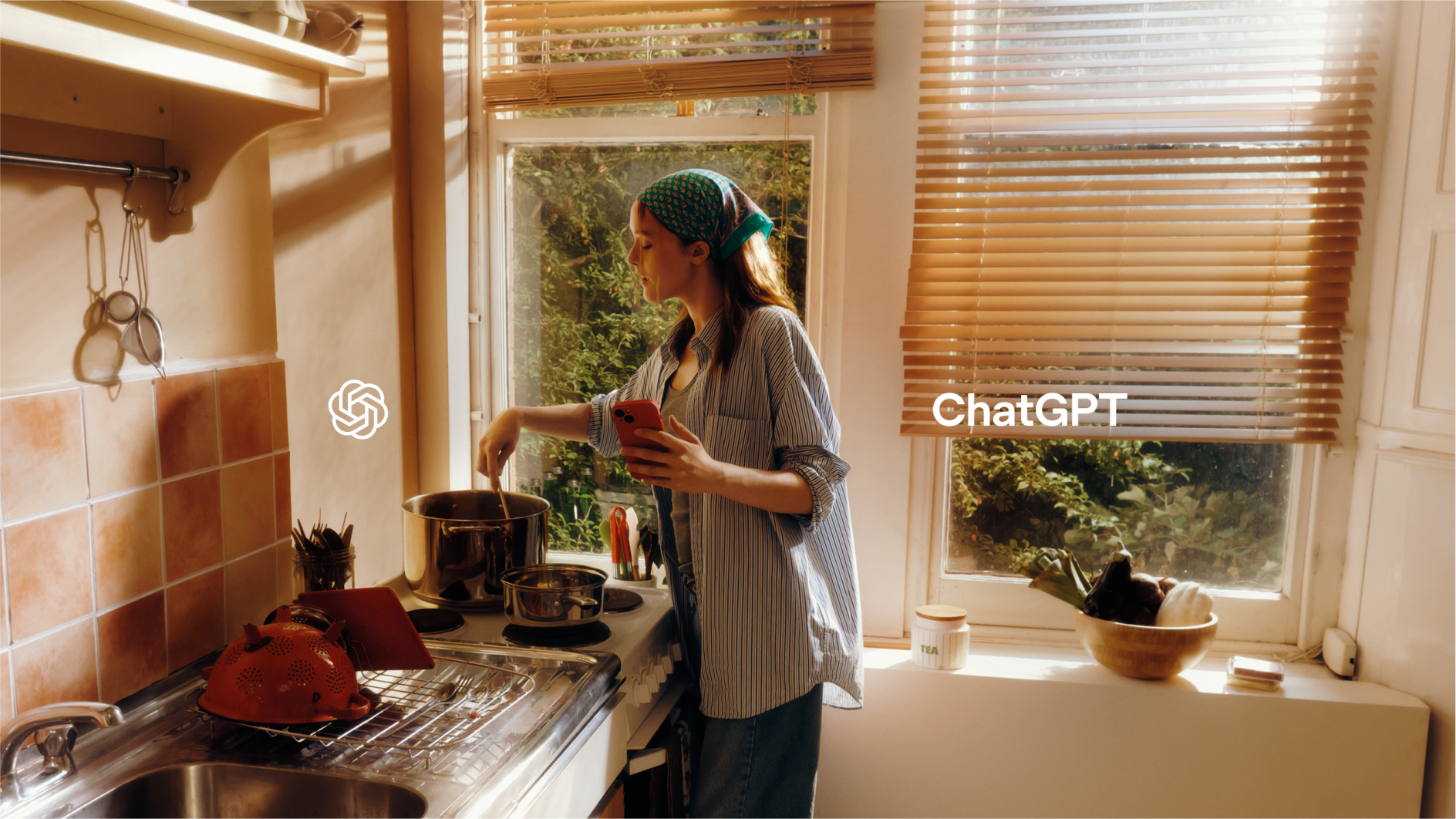
At the opposite end, analogue-led work remains just as relevant. 35mm photography (OpenAI’s campaign shot on film pictured), hand-set type and texture-first production haven’t gone anywhere. They’re simply being used more deliberately.
Both ends work because they reject the safe middleground. Whether hyperreal or handmade, the question stays the same. Why this choice? Who is it for? What does it serve? The execution is just the vehicle. And whichever path you take, the craft has to hold up if it’s going to be convincing.
Aisha
We got a low-poly PS2 aesthetic before GTA 6
Rumours of Grand Theft Auto VI have circulated for so long that we’ve watched entire design trend cycles spark, peak, disappear and reappear in the meantime. It’s been such a wait that some of the series’ earliest visuals – GTA San Andreas-era PS2 graphics – have looped back around as a nostalgia-fuelled reference point in their own right.
When the GTA VI trailer finally dropped, it was positioned as the most hyper-realistic, graphically advanced game ever made. And for a moment, that was the conversation. But just a few months later, attention drifted toward the comfort and character of early-2000s low-poly PS2 aesthetics.
We’re not suggesting corporate headshots for the Big Four are about to be replaced with early GTA renders. But we are seeing contemporary design agencies, culture-forward fashion labels and skate brands adopting this intentionally downgraded look heading into 2026. It’s showing up in just about any adjacent space where brands know what their customers are into and aren’t afraid to give it to them.
As has been a constant theme throughout these predictions, the styles and aesthetics gaining momentum in 2026 are embracing the uncut, organic flaws many of us grew up with, before we could imagine a spectacle as grand as GTA 6.
Locomotive lean into this beautifully on their About page. Hover over the team and you’ll see it in action. Crumpler hit a similar note with the “See it on our friends” hover state on their product pages.
Aisha
Unfinished Sympathy (for privacy)
In the tail end of 2025, Massive Attack unveiled a live facial tracker into their shows that leaned into prevailing dystopic themes of surveillance and classification.
Audience members were briefly projected on screen with randomly assigned labels. ‘Altruistic’ ‘kite flyer’, ‘frisbee thrower’, ‘hacker’, ‘persuasive’ to name a few – some granted far lighter titles than others…
In usual music journo fashion, outlets flocked to the story, starting a misinformation echo chamber that claimed the data being presented was real, which Massive Attack later debunked in a loaded Instagram statement.
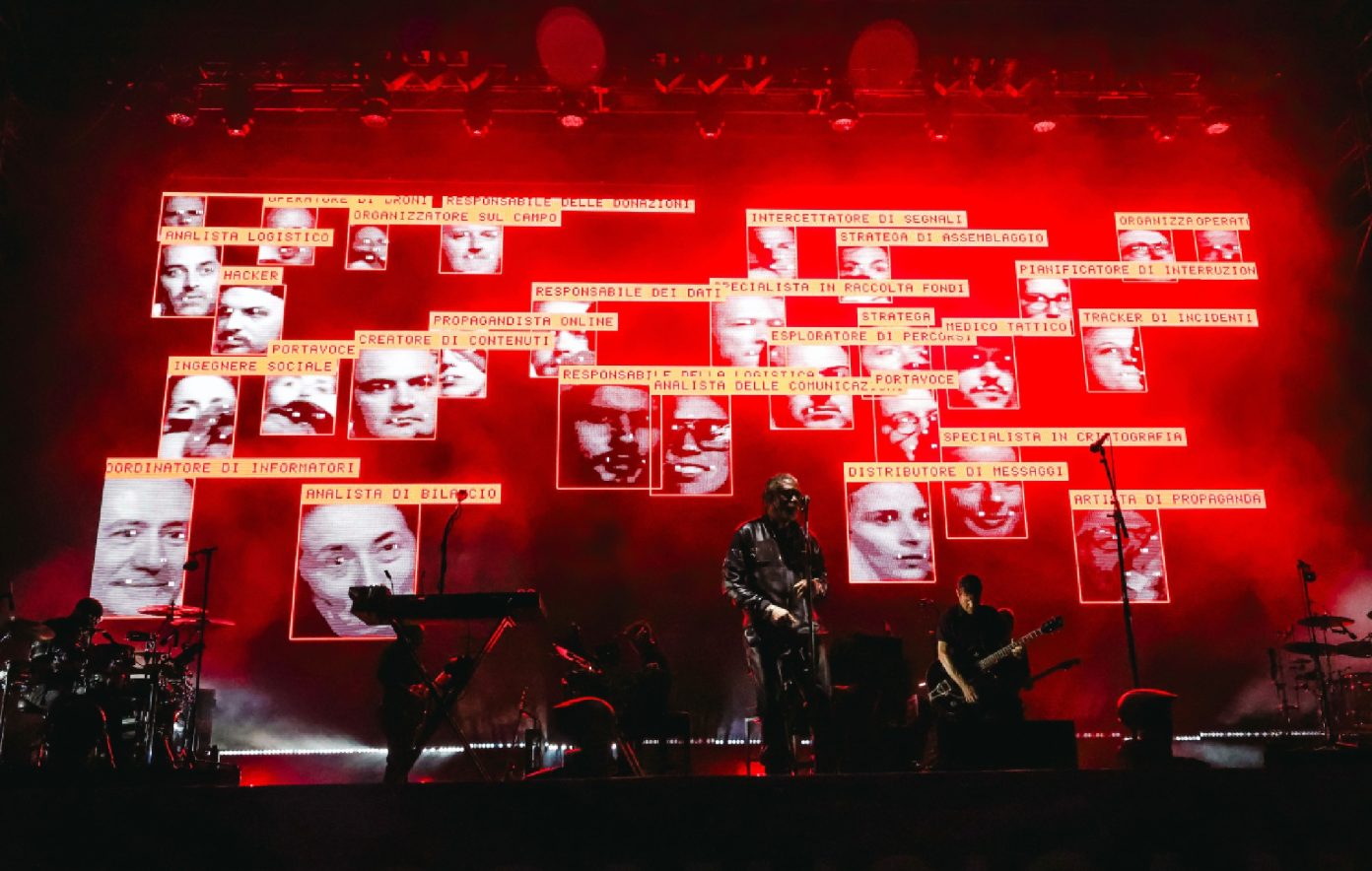
In an age dominated by technology, surveillance has become a part of our everyday lives. Facial recognition, tracking and automated classification are already baked into everyday systems – whether we think about them or not – shaping the way we behave and even altering the way our brains function. While these innovations offer benefits such as increased security, they also come with some pretty big concerns, around privacy and personal freedoms.
Design is starting to reflect that reality. We’re seeing work that combines natural materials, softer colour palettes and organic forms with sharper, more technical visual language. A visual acknowledgement of how closely technology now lives next to daily life, and how unresolved that relationship still is.
Where does AI sit in 2026?
We’ve spoken a lot about the renewed pull toward analogue, human, hand-crafted beautiful imperfection. But talking about design trends for 2026 while predicting a clean break from AI would be unrealistic. We’re now entering the phase of AI’s broadest and most advanced adoption yet, and its presence isn’t something the industry can sidestep.
At the risk of sounding contradictory, 2026 feels like the year creatives properly settle into AI as part of the process. AI shouldn’t replace craft or taste, which we’ve already touched on. But it can function as a practical creative tool that supports exploration, iteration and early thinking. Platforms like Midjourney are already proving useful for ideation, visual research and testing ideas before they move into production. With Adobe and other major platforms embedding AI more deeply into their ecosystems, its use will become increasingly unavoidable and, in many cases, genuinely helpful in reaching outcomes that still feel fresh and creative.
The designers who thrive will be the ones who approach AI thoughtfully and ethically. Work by people like @dcbruck (attached), @takubeats, @ohneis652 and @311labs points toward a future where technology and creativity operate alongside one another, without one flattening the other.
Until next year
We like to act like we know exactly where this space is headed, but the truth is we don’t. These trends are only scratching the surface of what could emerge across design in 2026. We’ll keep scratching and continue to unpack the trends of tomorrow as they arise. Until then, go easy on the glassmorphism.
Time for one more?
Back to the pulse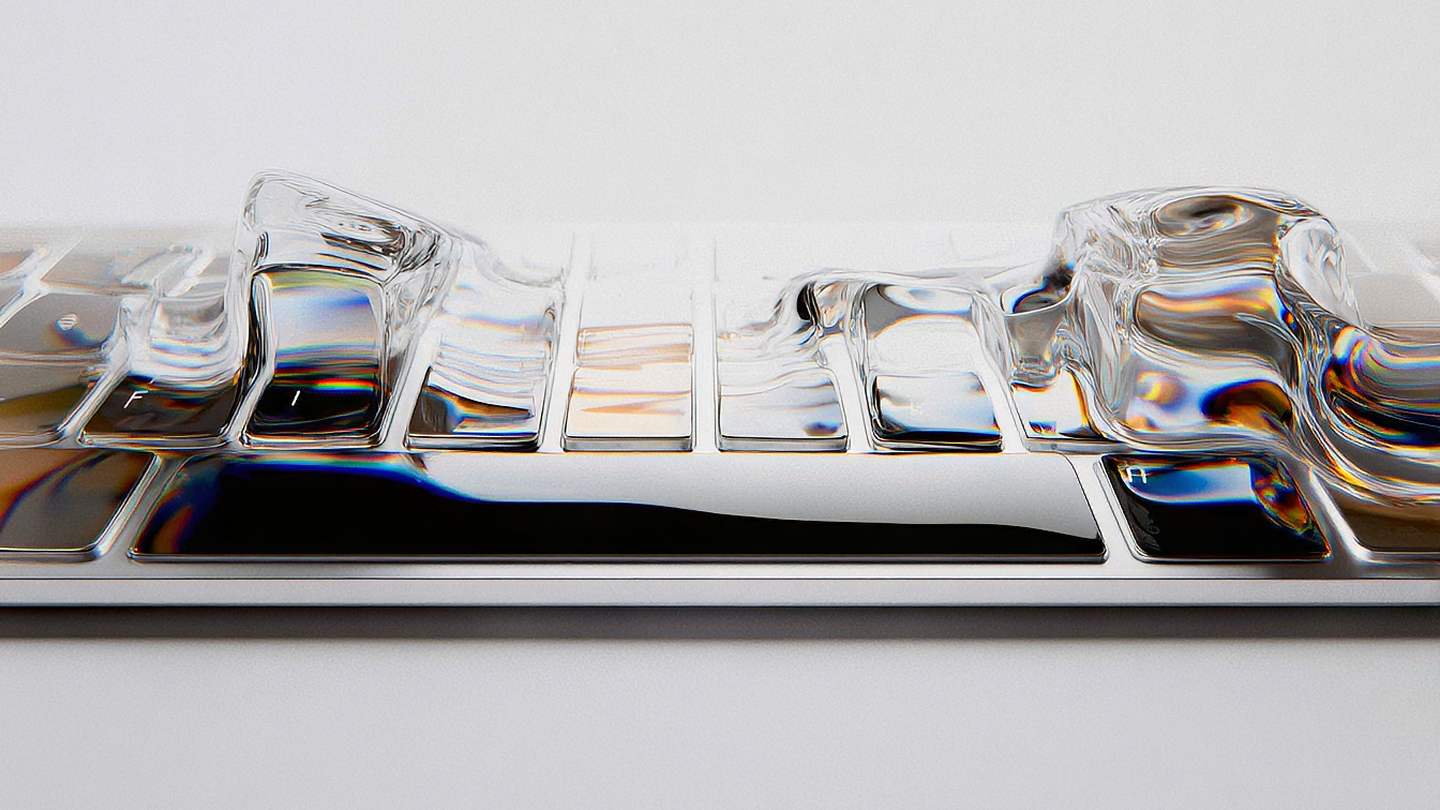
AI
Marketing
This isn’t just an AI content recognition guide — it’s a guide to recognising AI content
Actually, that’s exactly what it is. A stroll through the written AI clichés that still make us twitch a little. Read More